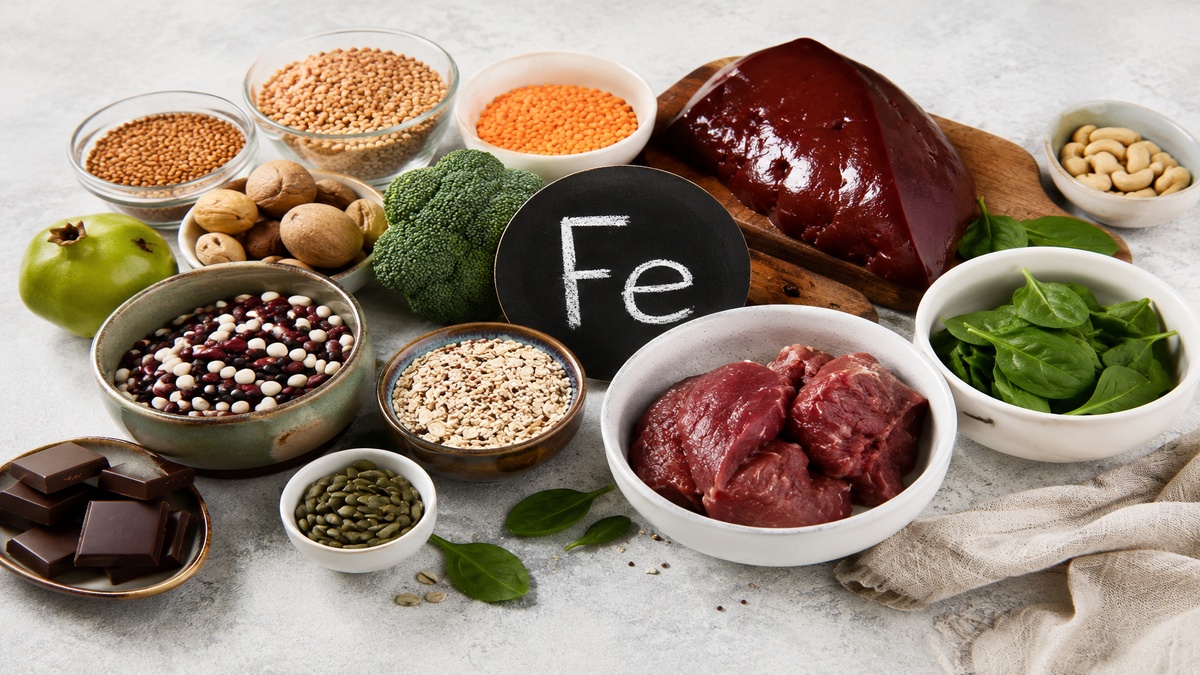
Iron deficiency is one of the most common nutritional problems in childhood worldwide. After 6 months, breast milk alone no longer provides enough iron, making iron-rich solid foods critically important for healthy development.
Why Is Iron So Essential?
Iron is necessary for hemoglobin production — the protein that carries oxygen in the blood. It's also crucial for brain development. According to WHO research, iron deficiency in infancy can cause:
- Weakness and pale appearance
- Growth delays
- Irreversible cognitive development problems
Best Iron-Rich Foods
Heme Iron (from animal sources — better absorbed)
- Beef — especially liver (6.5mg per 100g)
- Chicken
- Fish — salmon, tuna, tilapia
- Egg yolks
Non-Heme Iron (plant-based sources)
- Lentils and beans
- Spinach and broccoli
- Raisins
- Iron-fortified cereals
Key Trick — Combine with Vitamin C
Non-heme iron absorption triples when eaten alongside vitamin C-rich foods. Optimal combinations:
- Spinach puree + peach puree
- Lentil soup + tomato pieces
- Iron-fortified porridge + orange juice
mom menu meal plans automatically include these optimal iron + vitamin C combinations every day.
Daily Iron Requirements by Age
- 7–12 months: 11mg per day
- 1–3 years: 7mg per day
Including iron-rich foods 3–4 times per week effectively meets these requirements for most children.
Signs of Iron Deficiency
- Child tires easily and is less active than usual
- Pale appearance, especially around the lips
- Reduced appetite or interest in non-food items (pica)
If you notice these signs — ask your doctor for a blood test. Iron-deficiency anemia caught early is completely treatable.